November 10, 2026
The Ultimate Pizza Restaurant Experience for Food Lovers
By @gregorywsto274
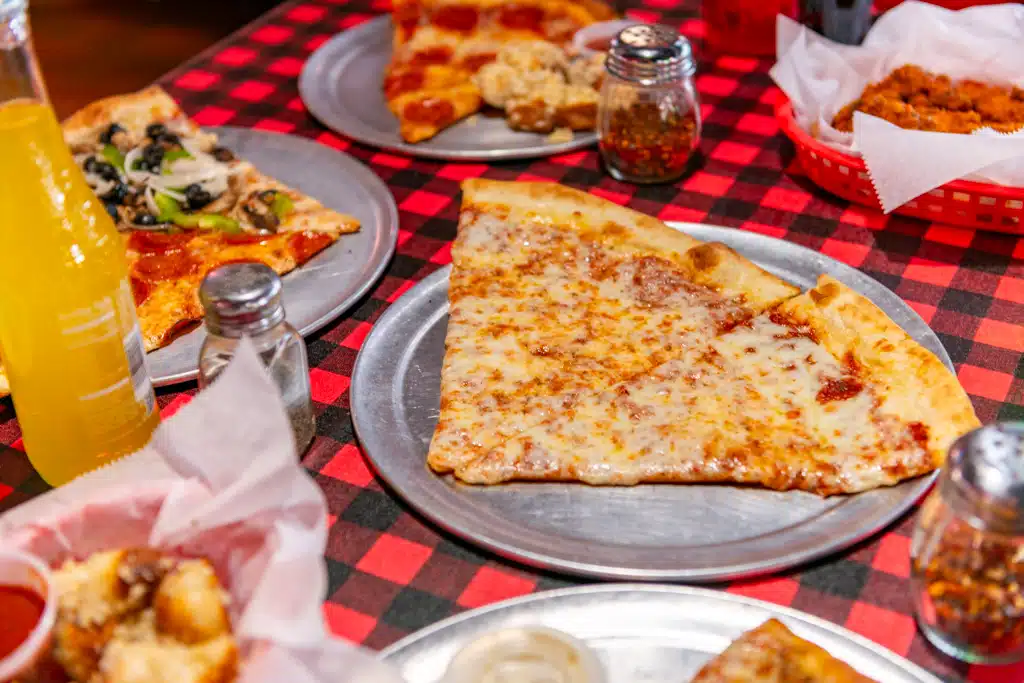
A truly memorable pizza restaurant does far more than slide a hot pie across the counter. It creates a complete sensory experience, one built on heat, timing, texture, aroma, hospitality, and a certain confidence that only comes from repetition done well. Food lovers notice these things immediately. They can tell when dough has been allowed to ferment long enough, when a tomato sauce has been seasoned with restraint, when mozzarella has melted instead of merely sweated, and when a dining room understands that comfort and energy are not opposites.
Pizza is often treated as universal, almost casual by default. That is part of its charm, but it can also hide how difficult it is to do properly. A great pizza restaurant balances old craft with modern expectations. Guests want speed, but not haste. They want atmosphere, but not noise that overwhelms conversation. They want choices, but not a menu so broad that quality slips. The best places understand this balancing act instinctively.
For food lovers, the ultimate experience begins long before the first bite. It starts the moment the door opens and the room announces itself through scent and sound. Yeast, char, basil, garlic, warm flour, and tomatoes hit first. Then comes the visual rhythm of the place: the oven glowing at the center, cooks moving with purpose, dough stretching by hand, servers navigating tables without friction. A good pizza restaurant makes the whole operation feel effortless, even though anyone who has worked service knows it never is.
What separates an ordinary meal from a destination
Most people have had decent pizza. Far fewer have had the kind that resets their expectations. That difference often comes down to discipline, not extravagance. Expensive ingredients help, but they cannot rescue weak technique. In strong kitchens, the basics are treated with near-obsessive care.
Dough is where the experience either earns trust or loses it. In a serious pizza restaurant, dough is not just an ingredient, it is the foundation of the entire menu. Flour choice affects strength and flavor. Hydration shapes openness and texture. Fermentation determines digestibility, aroma, and complexity. Some restaurants push long cold fermentation for 24 to 72 hours, which often creates a crust with better structure and a more developed flavor. Others work shorter schedules because their style demands it. Neither approach is automatically superior. What matters is whether the final pizza tastes intentional.
That word, intentional, is useful here. Great restaurants make decisions that show up on the plate. A blistered Neapolitan-style pizza with a soft center should have enough elasticity to fold, enough moisture to stay lively, and enough char to add bitterness without turning ashy. A New York-style slice should hold its shape, offer a crisp edge, and still bend slightly at the tip. A Roman-style square should crackle underneath while remaining airy within. Each style has its own standards. Food lovers appreciate restaurants that know exactly which game they are playing.
The sauce deserves equal scrutiny. Too many places bury flaws under heavy seasoning or too much sugar. Good tomato sauce often tastes surprisingly simple. It should taste bright, clean, and direct. Whether it is uncooked for a quick-fired pie or simmered for depth, it should support the dough instead of drowning it. The same principle applies to cheese. Better kitchens understand melt behavior, moisture control, and salt balance. Fresh mozzarella can be beautiful, but if it is not drained properly, it floods the pie. Low-moisture mozzarella delivers stretch and browning, but can dominate if overused. The best kitchens adjust by style and topping load.
The oven is the heart of the room
Every serious pizza restaurant has a relationship with its oven that borders on reverence. Wood-fired, gas-fired, deck, electric, coal, conveyor for high-volume systems, each one shapes the final product differently. What matters to the guest is not the fuel source alone, but how well the kitchen understands the oven’s behavior.
Wood-fired ovens create visual drama and can produce remarkable leopard spotting and fast bake times, often in 60 to 120 seconds for certain styles. They also demand close attention. Heat fluctuates. Fire placement matters. Rotating a pizza too early or too late changes everything. Deck ovens offer more predictability and can be ideal for styles that need a longer bake. Coal ovens can push a distinct dryness and char that some diners love. None of these tools are magical on their own. Inexperienced hands can waste any advantage.
For food lovers seated near an open kitchen, the oven becomes part of the meal. Watching a pizzaiolo read the crust, manage hot spots, and pull the pie at the exact moment it reaches balance is its own form of theater. It is not performative for its own sake. It is evidence of craft under pressure.
That pressure becomes even more visible during peak service. Friday night is the true test of any pizza restaurant. Many places can produce an excellent pie at 5:15 when the dining room is half full. The elite places hold their standards at 7:45 when tickets stack, guests wait at the door, takeout drivers hover, and every table is occupied. Consistency under load is what turns a local favorite into a destination.
Atmosphere matters more than many operators admit
Food lovers care deeply about taste, but they also remember context. A pizza restaurant can serve strong food and still miss the mark if the room feels poorly considered. The ideal setting depends partly on concept. A neighborhood pizzeria should not feel like a tasting menu restaurant, and a polished urban pizza bar should not feel accidental. Still, there are common principles.
Lighting should flatter both food and people. Warm light tends to make crust look richer and tomatoes more vivid. Seating should support the length of meal the restaurant wants guests to have. If the concept relies on quick turns, compact seating can work, but discomfort becomes costly if it signals indifference. Acoustics are often neglected, especially in rooms full of hard surfaces. Pizza restaurants generate natural excitement, and that is a strength. But if guests have to lean in and repeat themselves all night, the room is working against them.
Cleanliness is a surprisingly emotional factor. Not sterile, not lifeless, but cared for. Flour on a prep bench can look active and real. Sticky menus, smeared tables, or tired restrooms read very differently. Food lovers notice these details because they suggest how carefully the kitchen handles everything else.
There is also a social ease unique to great pizza places. They can accommodate a date, a family dinner, a solo bar seat, or a table full of friends sharing pies and wine. That flexibility is part of why the format endures. Pizza is democratic, but the best pizza restaurant elevates the occasion without draining it of warmth.
The menu should offer personality, not indecision
Large menus often signal fear. Restaurants worry that if they do not offer enough options, they will lose guests. In pizza, that instinct can backfire. A menu that tries to cover every regional style, dozens of toppings, pasta, burgers, salads, seafood, and dessert usually spreads the kitchen too thin. Better restaurants edit aggressively.
A strong menu tells diners what the house believes in. That could mean a short selection of signature pies, a build-your-own section with carefully chosen toppings, a few starters that complement the main event, and desserts that feel worth saving room for. There is no perfect formula, but there should be a sense of authorship.
Guests with real interest in food often judge a pizza restaurant by its restraint. If a white pie uses ricotta, lemon zest, and roasted garlic, those ingredients should each have a reason to be there. If a spicy pie includes hot honey, soppressata, and pickled chiles, the sweetness, fat, salt, and acid should land in sequence rather than collide. Excess is easy. Balance takes thought.
Seasonality can sharpen a menu when used intelligently. Summer tomatoes, autumn mushrooms, winter bitter greens, spring peas, or ramps can make a special pie feel alive and specific. But seasonality should not be forced onto a concept that is stronger when it remains simple and stable. Some of the best pizzas are timeless combinations executed without compromise.
Here are a few signs that a menu has been built with care:
- The core pies are distinct from one another, not minor variations with different names.
- Toppings are chosen for how they bake, not just how they sound on paper.
- Appetizers support appetite rather than overwhelm it before the pizza arrives.
- Beverage options clearly match the food, especially by acidity, bitterness, and body.
- Specials feel tested and purposeful, not like leftovers disguised as creativity.
Service is part of the flavor
People often separate service from food quality, but in practice they blend together. A brilliant pie served with confusion, indifference, or poor pacing never tastes as good as it should. At a top pizza restaurant, service is knowledgeable without becoming theatrical.
Servers should understand the house style, portioning, topping intensity, and pacing. They should know whether a party of two is better off with one pizza and a salad or two smaller pies to compare. They should be able to explain why one pie arrives softer in the center and why another has more structure. They should know which wines can handle tomato acidity, which beers can stand up to char, and when to steer someone away from over-ordering.
Timing is especially important with pizza because the product changes by the minute. A pie at its best is fleeting. The crust loses crackle, cheese settles, steam softens the base. This is one reason dine-in can still beat delivery by a wide margin, even from excellent operators. The ultimate pizza restaurant experience is built around immediacy. The pie travels only a few yards, not a few miles.
Good service also means reading the table correctly. Some guests want guidance. Others want efficiency. Families may need flexibility. Enthusiasts may want details about flour, fermentation, or oven temperature. The best staff can shift gears without making any party feel less important.
Why beverage pairing changes the meal
Pizza inspires casual drinking, often for good reason. Beer and soda have their place. But beverage pairing in a serious pizza restaurant can transform the meal in ways many guests do not expect.
Tomato-based pies generally love acidity. That can mean a bright Italian red, a chilled light-bodied red, or a crisp lager that resets the palate. Rich white pies can work beautifully with mineral-driven whites, dry sparkling wines, or even a bitter spritz if the toppings skew creamy and fatty. Spicy pies benefit from drinks that cool and refresh rather than amplify heat. Off-dry wines can help, but balance matters. Too much sweetness and the whole combination grows heavy.
There is also a practical side to pairing. Pizza is often shared, and shared food benefits from flexible beverages. A bottle that can move across a margherita, a mushroom pie, and a spicy sausage pie has more value than a perfect but narrow pairing. Good beverage programs understand that pizzerias are social spaces. Versatility matters.
Non-alcoholic pairings deserve more attention than they usually receive. House-made lemonade with restrained sweetness, sparkling water with citrus, bitter sodas, and unsweetened iced tea can all perform better than standard fountain drinks when thoughtfully presented. For diners who care about flavor, this makes a difference.
Texture is the detail food lovers chase
When people describe great pizza, they often start with flavor, but texture is usually what they are actually remembering. The crisp edge, the tender crumb, the resistance of the crust, the softness under the toppings, the chew that fades into lightness, these are the details that separate a good pie from a remarkable one.
Texture depends on countless variables: flour protein, hydration, mixing, proofing, room temperature, dough balling, opening technique, bake time, topping moisture, and rest after the oven. That is why two pizzas with nearly identical ingredient lists can eat very differently. It is also why experienced diners often keep their orders simple. A margherita or marinara leaves nowhere to hide.
One small but telling sign of quality is how the slice behaves in the hand. Does it droop because the center is underbaked, or because the style is meant to be supple? Does the rim shatter pleasantly or fight back like stale bread? Does the underside show even browning or pale patches that suggest poor heat management? Enthusiasts read these cues almost instinctively.
Another clue is how the pizza tastes as it cools. Great dough often remains appealing after the first rush of heat is gone. Inferior dough turns dull quickly. That is not a laboratory test, but it is one many regulars perform without thinking.
The best pizza restaurants know their audience without chasing everyone
Some restaurants are built for purists. Others thrive by being lively neighborhood anchors where quality and approachability carry equal weight. The strongest operators know who they are and avoid the trap of trying to satisfy every possible diner.
That does not mean rigidity. Dietary accommodations matter. Gluten-free crusts, vegetarian options, and thoughtful alcohol-free beverages can expand hospitality meaningfully. But these additions have to meet the house standard. A token option that feels like an afterthought can do more harm than good. Food lovers respect restaurants that either execute these alternatives well or explain their limits honestly.
Price also shapes perception. Guests will pay for quality, but they want to understand what they are paying for. A pizza restaurant charging premium prices needs to justify them through ingredient quality, technical precision, service, and atmosphere. Not every place needs imported cheese, custom-milled flour, and a long wine list. Plenty of beloved pizzerias win through consistency, generosity, and honest execution at a fair price. Value is not the same as cheapness. It is the feeling that the experience matched the bill.
Memorable details that linger after the meal
What people recall a week later is rarely just the pizza itself. It is often a combination of moments. The first smell of the oven. The server who suggested splitting two pies instead of over-ordering. The blistered crust on a simple margherita that somehow tasted more vivid than a pie with ten toppings. The sound of a dining room that felt alive rather than chaotic. The spoonful of chile oil that changed https://johnathanyigw780.talesignal.com/posts/the-most-popular-toppings-at-a-pizza-restaurant the final slice. The tiramisu or gelato that finished the meal without weighing it down.
A pizza restaurant becomes unforgettable when those details line up. Nothing has to be extravagant. In fact, extravagance can distract from what people came for. The point is coherence. Every part of the experience should support the central promise that pizza, done with intelligence and care, can be one of the most satisfying meals in dining.
For food lovers, that promise is enough to travel across town, wait for a table, or return again and again. Pizza may be familiar, but familiarity is exactly what makes excellence so striking. Everyone knows what average pizza tastes like. When a restaurant rises well above that baseline, the result is immediate and unmistakable.
The ultimate pizza restaurant experience is not about trendiness, spectacle, or endless customization. It is about craft made visible and pleasure made easy. It is the confidence of a kitchen that knows its dough, its oven, and its guests. It is a room that invites appetite. It is service that keeps pace without forcing it. It is a pie that arrives at the table exactly when it should, hot enough to demand attention, balanced enough to reward it.
That is what food lovers are really chasing. Not just pizza, but the rare satisfaction of seeing a simple dish treated with the seriousness it deserves.
RUFFRANO'S HELL'S KITCHEN PIZZA Security
385 Main St, Colorado Springs, CO 80911
(719) 390-4355
FAQ About pizza restaurant
Is there a Hell's Kitchen pizza restaurant in Security-Widefield?
Yes. Ruffrano's Hell's Kitchen Pizza has a Security-Widefield location at 385 Main St.
Where can I find pizza delivery in Security-Widefield?
Ruffrano's Security location offers online ordering. Enter your address at checkout to check delivery availability and fees.
Where can I find gluten-free pizza in Security-Widefield?
Ruffrano's menu lists a 12-inch gluten-free option. Call the Security location to confirm availability and ask about shared equipment if cross-contact is a concern.
❧